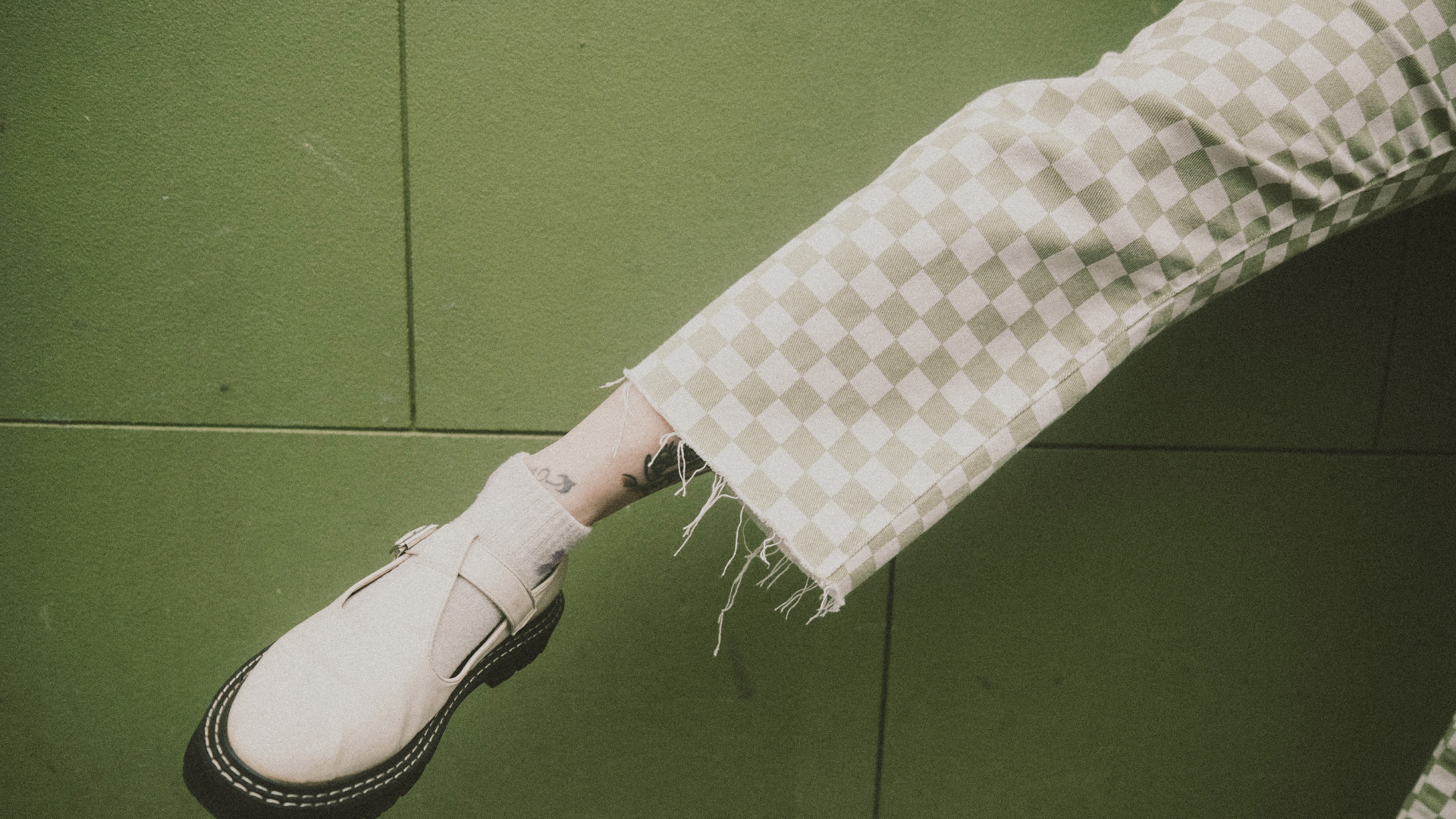
How Foot Pain Develops One Step at a Time
Pain rarely comes out of nowhere.
Across this Joint Pain Series, we look at common pain patterns throughout the body and how everyday use, old injuries, and quiet compensation shape the way pain shows up over time. Each entry focuses on one area, not to isolate it, but to better understand how the body adapts until something starts to hurt.
Check out the Master Post: here.
Foot pain can be surprisingly emotional. It’s something you feel with every step, and when it lingers, it starts to shape how you move through the world, both literally and figuratively. People often tell me that what used to feel simple, like walking across a room or standing in the kitchen, now feels heavy, tiring, and tense. It can quietly erode the sense of freedom that comes from being able to walk the dog, or even just stand and cook for long periods of time.
One of the most common patterns we see is plantar fasciitis. This often shows up as a sharp or pulling pain along the bottom of the foot or heel, especially first thing in the morning or after sitting for a while. The fascia that supports the arch becomes irritated and tight, which increases tension through the foot and makes each step feel abrupt or uncomfortable until the tissue warms up.

The feet absorb more than we realize.
We also see a lot of arch and toe pain related to overuse. This is common in runners, hikers, and people who spend long hours standing or walking. As the foot absorbs repeated impact, tension builds in the tendons, small joints, and stabilizing muscles. When those tissues are asked to do more than they can recover from, pain can develop gradually. Even subtle changes in posture, footwear, or gait can shift load through the foot and ripple upward, affecting the ankles, knees, and hips.
Acute injuries play a role as well. Sprains, fractures, or old breaks that never fully healed can leave behind stiffness or altered mechanics. The body often adapts around these injuries to keep movement going, but those compensations can linger for years, showing up as recurring pain, swelling, or a sense of instability in the foot or toes.
Our approach supports both recent injuries and long standing foot pain by addressing the tissue restrictions and inflammation that limit how the foot moves. We work to help the foot move and respond to impact the way it was meant to. As inflammation settles and tissue flexibility improves, gait becomes more natural and less protective. That shift often eases strain not just in the foot, but throughout the rest of the body.
Foot pain is often where long standing patterns finally show up.
This is it for this current series on Joint Pain in the body, check out the Master Post if you missed any entries. Let us know if you have any health concerns you’d like to hear about or something we’ve talked about you want us to discuss in more detail.